Packaging Hygroscopic Powders for Contract Blending
A procurement-focused guide to packaging formats, moisture control, labeling, and lot handling for hygroscopic enzyme and food ingredient powders used by contract blenders.
Request pricing A procurement-focused guide to packaging formats, moisture control, labeling, and lot handling for hygroscopic enzyme and food ingredient powders used by contract blenders.
Request pricingFor a contract food ingredient blender, packaging is not a secondary detail. It affects receiving checks, warehouse space, operator handling, partial-lot control, powder flow, documentation, and how confidently a customer-approved ingredient can move into production.
That is especially true for hygroscopic powders, including many enzyme preparations and functional dry ingredients that can absorb moisture during transport, storage, or repeated opening. The wrong pack format can turn a technically acceptable ingredient into a blending-floor problem: clumping, slow discharge, poor reclosure, unreadable labels, or a lot that is difficult to reconcile against the batch record.
BatchLoom supports bulk food enzyme sourcing for ingredient blenders with packaging discussions built into supplier selection, not added after price negotiation. The goal is simple: secure the right ingredient, in the right pack, with the right documents, at a cost and lead time that fit commercial blending work.
Hygroscopic powders pull moisture from the surrounding environment. In practical terms, this can affect:
For ingredient blenders, the risk is rarely just ingredient loss. It is schedule disruption, additional handling, quality holds, repacking labor, or the need to approve a substitute pack format under time pressure.
Pack size matters, but it is only one part of the packaging specification. Sourcing teams should align on the full handling profile before placing a purchase order.
Key questions include:
A lower unit price can become expensive if the packaging increases weighing time, causes quality review, or forces extra repacking before production.
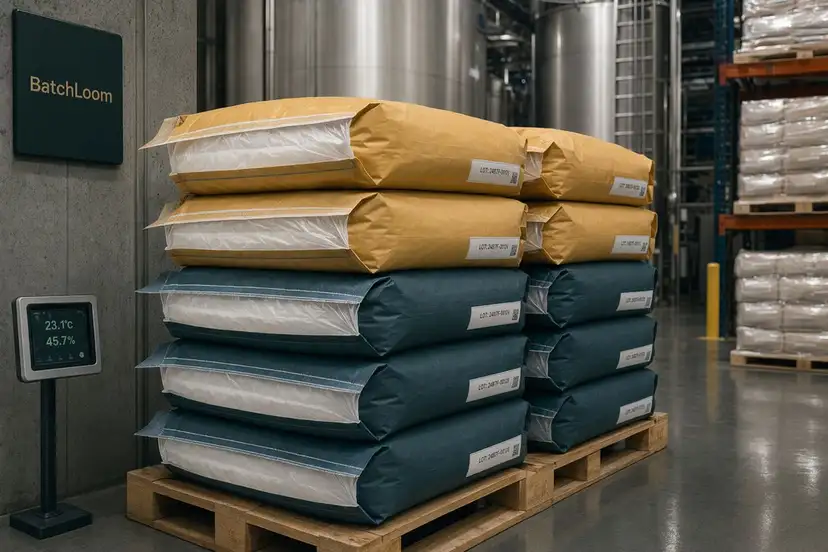
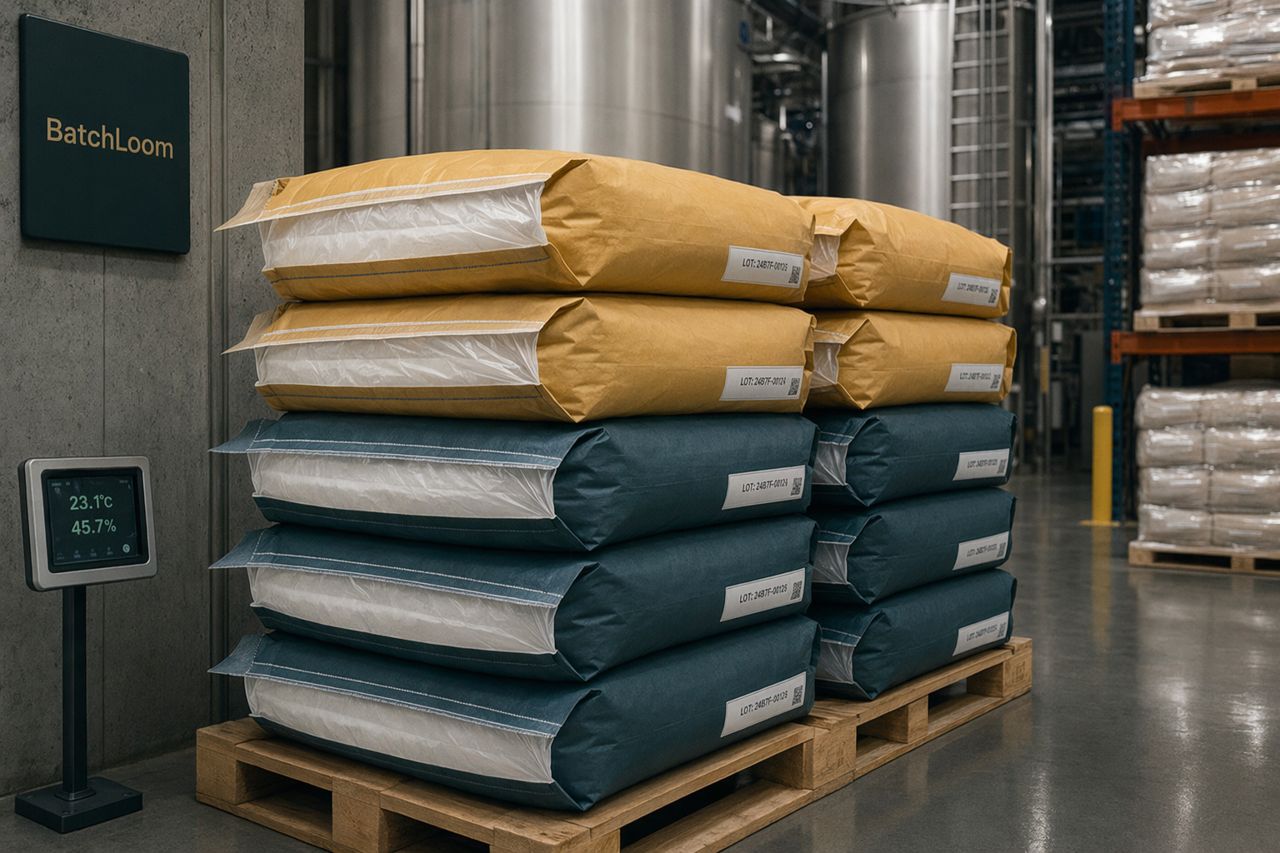
Multiwall bags are common for dry food ingredients and can be cost-effective for contract blending, especially when the lot is used quickly. For hygroscopic powders, the liner and closure details are critical.
Best fit:
Watch points:
For enzyme powders, bags can work well when the supplier can provide consistent liner construction, clean labeling, and documentation tied clearly to each lot.
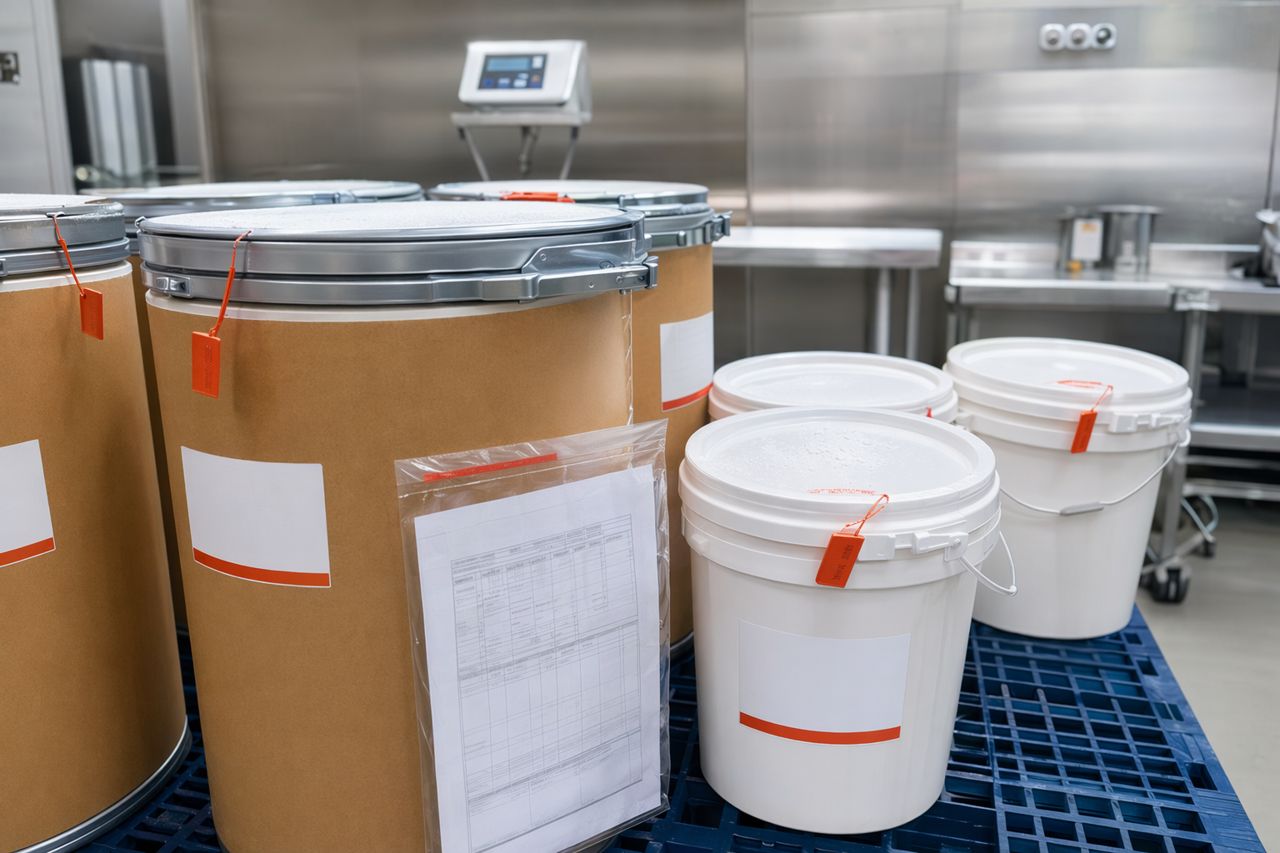
Fiber drums provide stronger physical protection than bags and are often preferred when a powder is sensitive, higher value, or used across multiple batches.
Best fit:
Watch points:
For contract blenders, drums can reduce handling ambiguity. Operators can identify, open, close, and stage the material with more control, which is useful when customer audits focus on traceability and raw material segregation.
Pails can be practical for smaller-volume, higher-control ingredients. They are not always the lowest-cost option, but they can support better dispensing discipline for frequent small additions.
Best fit:
Watch points:
Pails are often useful when the cost of handling errors is higher than the incremental packaging cost.
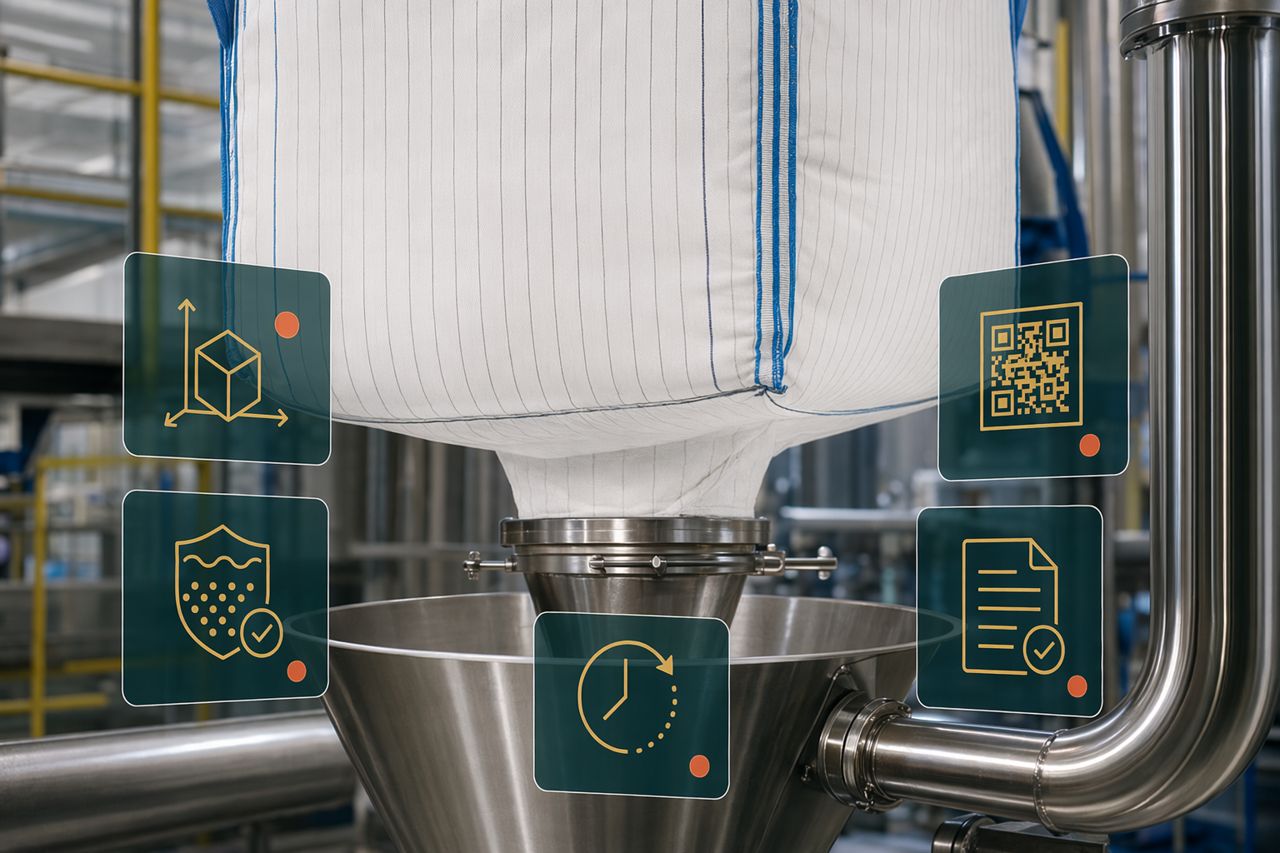
Flexible intermediate bulk containers can reduce packaging cost per kilogram and improve efficiency for high-volume ingredients. For hygroscopic powders, they require careful qualification.
Best fit:
Watch points:
Bulk sacks are not automatically wrong for hygroscopic powders, but they should not be selected only because the price looks attractive. If discharge is slow, clumping occurs, or the lot must be repacked, the savings can disappear quickly.
A clear purchase specification helps reduce supplier variation and receiving disputes. For hygroscopic powders, include more than the nominal pack size.
Consider specifying:
BatchLoom treats these details as procurement controls. They help sourcing managers compare suppliers on total fit, not just quoted price.
For ingredient blenders, a technically suitable enzyme or functional powder is not production-ready until the documentation is complete and tied to the received lot.
Typical documentation expectations may include:
The packaging should support document control. Lot codes should be visible, durable, and consistent across labels, packing lists, and certificates. If a blender has to investigate mismatched codes at receiving, production confidence drops before the ingredient reaches the mixer.
Substitution risk is not limited to enzyme type or ingredient function. Packaging changes can also require review, especially when a customer approval file references a specific supplier, pack size, or handling condition.
Examples of packaging-driven substitution risk include:
The best time to control these risks is before the order is placed. Procurement, quality, and operations should agree on acceptable packaging formats and any conditions for substitution.
Bulk purchasing can improve pricing and supply continuity, but hygroscopic powders need a total-cost view. A larger pack may lower the invoice price while increasing floor risk.
When comparing quotes, consider:
A sourcing manager does not need a commodity catalog. They need a pack-and-supply option that keeps approved production moving.
Use this practical sequence when sourcing hygroscopic enzyme or food ingredient powders for contract blending:
This approach keeps packaging aligned with quality expectations, operator workflow, and customer-approved raw material controls.
BatchLoom helps contract food ingredient blenders source food enzyme powders with the packaging, documentation, and supply detail needed for production purchasing. We help compare pack formats, bulk pricing, lot consistency, supplier readiness, and lead times before the purchase order becomes a plant-floor constraint.
If you are planning a new enzyme blend, replacing a supplier, or trying to reduce packaging-related disruptions, we can help specify the ingredient and pack format together.
Request a quote and tell us the enzyme type, expected annual volume, preferred pack size, and any customer documentation requirements. We will respond with sourcing options built for contract blending, not generic catalog buying.
Tell us your application and volume — we reply with pricing and lead time.